Blog
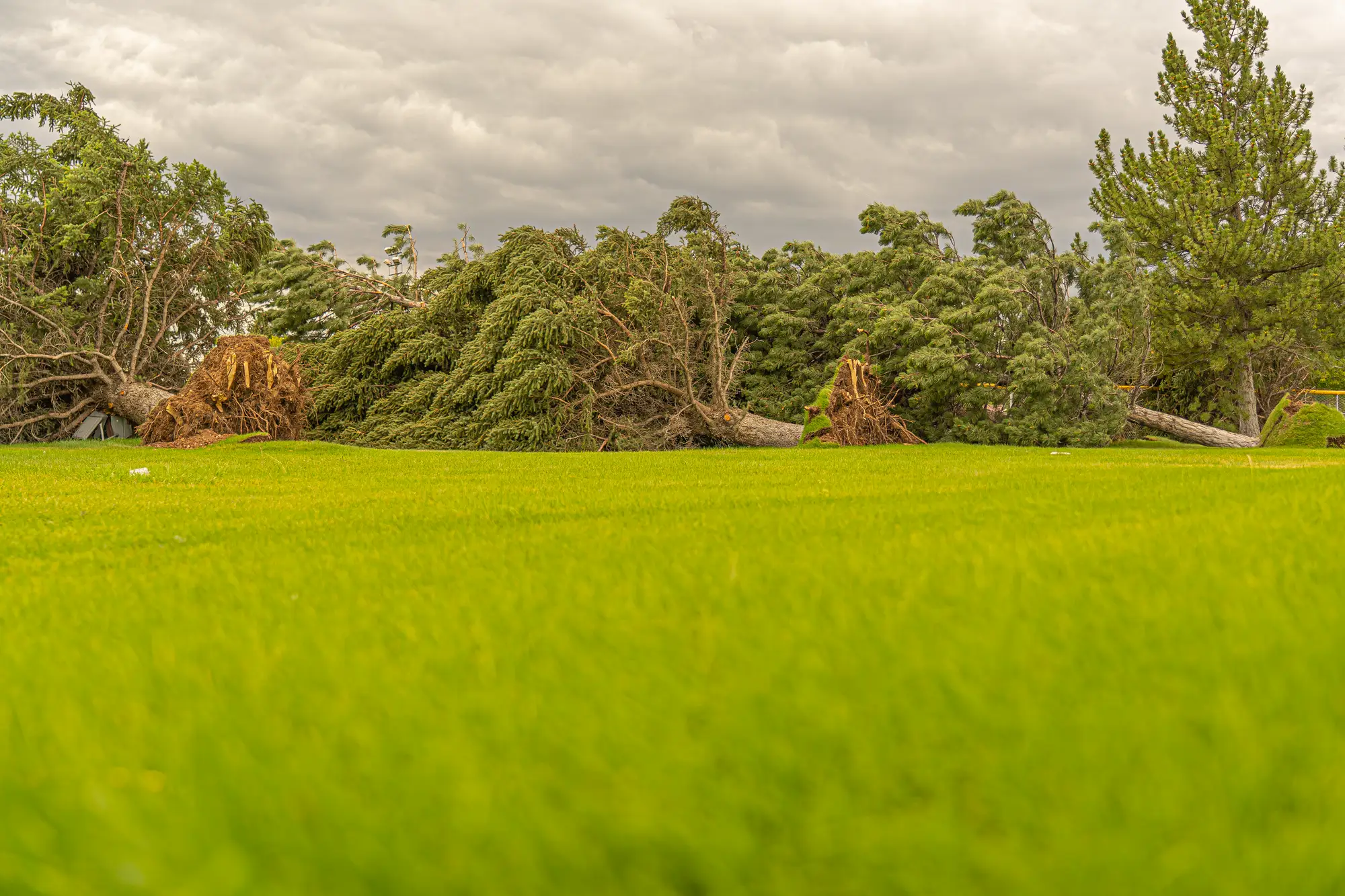 Field notes: the ice storm, nine days, and the circuit left last
A restoration coordinator's field notes on a nine-day ice storm and the sequencing mistake that put the wrong circuit last on the list.
 What is a critical infrastructure customer, and why it changes your restoration sequence
What counts as a critical infrastructure customer, and how that status should reshape crew sequencing beyond the priority flag in your OMS.
 How to verify mutual aid crew credentials before dispatch
How restoration coordinators verify mutual aid crew credentials, out-of-state licensing, and PPE before circuit dispatch.
 What is a storm restoration staging site, and how do you set one up?
A plain-language guide to staging site selection, laydown yard setup, and mutual aid logistics for storm restoration coordinators.
- Field notes: the feeder that restored itself before a bucket truck ever rolled
A recloser scheme beat the crews to a feeder. What that says about sequencing restoration when SCADA and imagery disagree with the ticket board.
- What is a sectionalizing point, and why it changes a restoration sequence
A sectionalizing point decides how far a fault travels and how many customers ride on one repair. Here's how that changes crew sequencing.
- Transmission damage vs. distribution damage: telling them apart in storm imagery
How to read storm imagery for transmission tower failures versus distribution feeder damage, and why the distinction drives restoration sequencing.
 What is worst-first restoration sequencing?
Worst-first restoration sequencing explained: how utilities rank circuits by damage concentration and critical load before crews walk them.
- Field notes: the morning the imagery landed before the first trouble call
A storm coordinator's field notes on the morning damage imagery beat the ticket queue, and what it changed about crew sequencing.
- Trouble tickets vs. damage imagery: which one to trust first after a storm
Trouble ticket volume tells you where customers are. Damage imagery tells you where the circuit is actually hurt. Here's how to sequence crews with both.
 Aerial patrol vs. satellite imagery for first-look storm damage recon
How helicopter patrol and satellite imagery compare for first-look storm damage reconnaissance, and when each one actually gets you a usable picture first.
- What is a circuit walk, and why coordinators still schedule one after imagery flags damage
What a circuit walk is, what it confirms that imagery can't, and how coordinators use damage-concentration maps to sequence walks faster.
- How to tell a broken pole from a downed span in aerial imagery
Visual cues for telling a broken pole from a downed span in post-storm aerial imagery, and why the distinction changes crew dispatch.
- What counts as a damage concentration when sequencing restoration crews
A working definition of damage concentration, how clusters get flagged in imagery comparison, and why ticket volume alone misleads crew sequencing.
- How ETR gets set in the first 24 hours of a storm event
Why the first ETR is a placeholder, what moves the second one, and where circuit-level damage assessment fits into the update.
- How restoration coordinators sequence circuits after a major storm
The priority order utility coordinators use to sequence circuits after a storm, and why it breaks down before every circuit gets walked.
- How to request mutual aid crews through a regional mutual assistance group
A field guide to the mutual assistance group request process for restoration coordinators calling for EEI mutual aid crews after a major storm.
- DAT vs. line crew: what separates damage assessment from restoration
DAT or line crew? A plain breakdown of what damage assessment teams do versus restoration crews, and why the handoff between them trips up storm response.