What is a sectionalizing point, and why it changes a restoration sequence
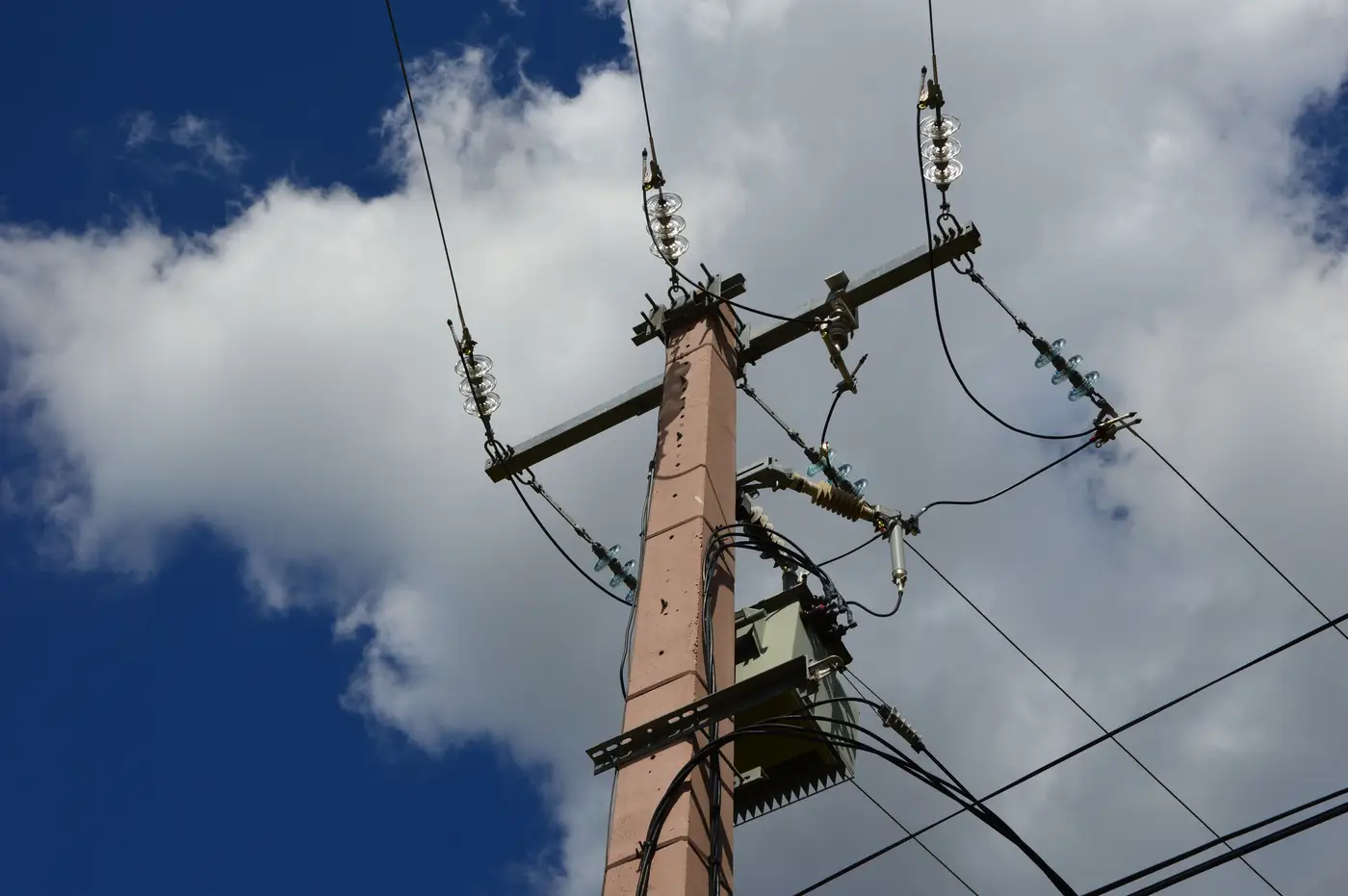
A sectionalizing point is any device on a feeder that can isolate a section of line from the rest of the circuit: a cutout, a recloser, a motor-operated switch, a fuse cutout on a lateral tap. Some are normally closed and carry load every day. Some sit normally open, built as a tie point between two feeders so a circuit can be fed from either direction if one source goes down.
None of that is new to anyone running a GIS desk or a mutual-aid staging area. What changes after a storm is how much weight those points carry when you're deciding which crew goes where first.
Why the device matters more than the outage count
A trouble ticket tells you a transformer is out. It doesn't tell you whether the fault sits upstream of a recloser that's already locked out a few hundred customers, or whether it's a single-phase lateral fuse that dropped twelve. Two outages that look identical in the OMS can sit on opposite sides of a sectionalizing device, and that device is what tells a sequencing crew whether fixing one thing restores ten customers or ten thousand.
This is the part that trouble-ticket volume alone can't answer. Ticket counts cluster where people live. That skews the picture away from the segments carrying the most damage. A rural feeder segment with four structures down between sectionalizing points might generate two calls. A tree on a service drop in a subdivision generates forty. If you sequence by call volume you chase the subdivision first and leave the backbone segment, the one actually holding back restoration for everyone downstream of it, sitting untouched.
Normally open points and the restoration order problem
A normally open tie point changes the math again. If storm damage falls between a substation breaker and a normally open point, you have two options once that segment is cleared: close the breaker and feed it from the original source, or walk the tie switch and feed it from the adjacent circuit instead. Which one makes sense depends on what's damaged on each side, and that's exactly the thing nobody knows until a circuit has been walked, which is usually hours or days after the storm.
Feeder sectionalizing also decides crew routing in a more basic way. A line crew clearing a three-span stretch between two reclosers restores everyone on that segment the moment the last pole is back up. A crew clearing the same three spans on a lateral beyond the last sectionalizing device restores exactly the customers on that lateral and nobody else. Same work, same crew-hours, very different number of meters back on at the end of the shift. A coordinator sequencing mutual-aid crews by estimated restoration count needs that device-side information before assigning the work.
Where imagery fits into the sequencing call
The device topology is fixed. What's not fixed, right after a storm, is which segments between those devices got hit. That's the gap a pre- and post-event comparison is built to close: instead of waiting for a truck to physically drive or walk each circuit to find the downed spans, a same-day comparison flags where the damage concentrations sit relative to your feeder map, so the sequencing call (close the tie, send the crew to the backbone segment first, hold the subdivision lateral for the second wave) gets made with something closer to a full picture of the circuit, not just the tickets that happened to come in.
Storm Grid Damage is built around that gap. If you're sequencing crews against a feeder map this storm season and waiting on circuit walks is the bottleneck, it's worth a look before the next event hits your territory.