Trouble tickets vs. damage imagery: which one to trust first after a storm
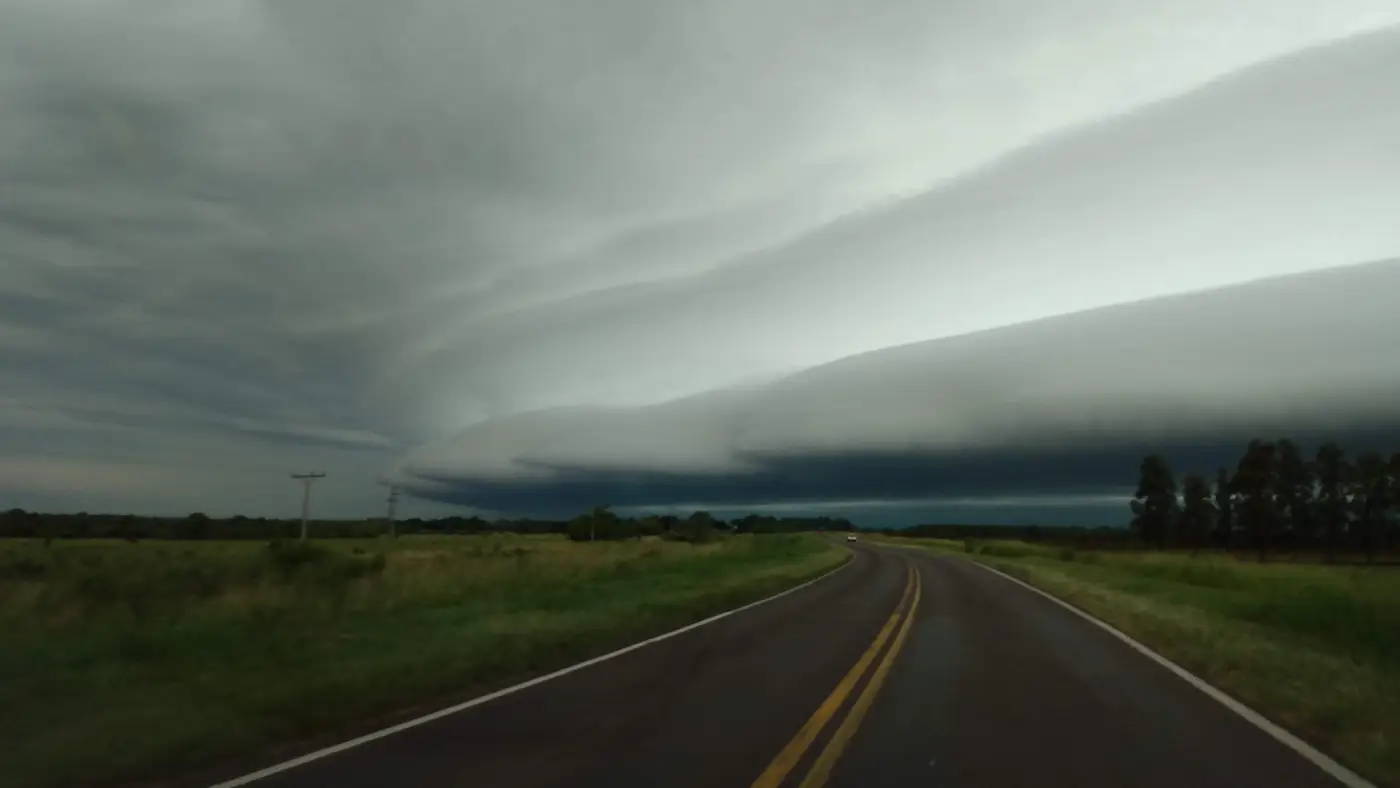
The storm passes, the call center lights up, and somebody on the restoration desk has to decide which feeder gets the first crew. For most coordinators, that decision still starts with ticket volume because it's the thing sitting on the screen. It's also the wrong first signal more often than people admit.
What trouble ticket volume actually tells you
A ticket is a proxy for a customer with a working phone, awake and annoyed enough to dial. A dense subdivision with a tripped recloser can generate three hundred calls in twenty minutes. A rural three-phase line with a dozen poles snapped across it might generate four calls, because there are only a dozen meters on that tap to begin with. Dispatching by ticket count alone means dispatching by population density, and the worst damage on your system is frequently in the places with the fewest people to complain about it.
Tickets also lag. They come in as call centers clear backlog, as cell towers come back up, as customers who lost power at 2 a.m. finally wake up and notice. Master-metered properties, snowbirds, and elderly customers living alone are chronically underrepresented in the queue even when their circuit is torn up. None of this makes ticket data useless. It makes it a read on customer impact, not a read on physical damage, and those two things diverge exactly when you need them not to.
What damage imagery actually shows
A pre- and post-event comparison across the service territory works from a different input: the circuit itself, not the phone traffic around it. Flown or tasked at VHR, 0.5 m or finer, in RGB, it lets you line up what the corridor looked like before the event against what it looks like now and flag where the damage is concentrated. Because it's event-driven rather than scheduled, it's built for this exact moment, the morning after landfall or the first daylight after an ice storm, not a seasonal pass that happens to be close.
The practical difference: imagery doesn't care whether anyone called. A three-span section where trees took down the primary shows up the same way whether it serves four meters or four hundred. That's the gap trouble tickets structurally can't close, and it's the reason a lot of coordinators end up sending the first wave of crews to the loudest part of the territory instead of the worst part.
Sequencing crews before every circuit is walked
None of this means throwing out the ticket board. It means not waiting on it to settle before you move. Line crews and, especially, mutual-aid crews arriving from outside the system have no local knowledge of which feeders run through the heaviest tree cover or which taps cross the ridge that always takes the worst wind. A comparison map built the same day imagery becomes available gives them a starting sequence before the first patrol truck has physically confirmed a single span. Tickets still matter for final confirmation and for catching the odd outage the imagery read missed, like a transformer fault with no visible structural damage. But as the first filter for where to send the first crews, a damage concentration read gets ahead of a queue that's still filling up.
That's the sequencing problem Storm Grid Damage is built around: a pre/post-event comparison delivered when the imagery is available, not after the call volume has told its own, incomplete story.
If your restoration desk is still staging crews off the ticket board alone, it's worth seeing what a damage concentration map looks like before the next event.