Field notes: the ice storm, nine days, and the circuit left last
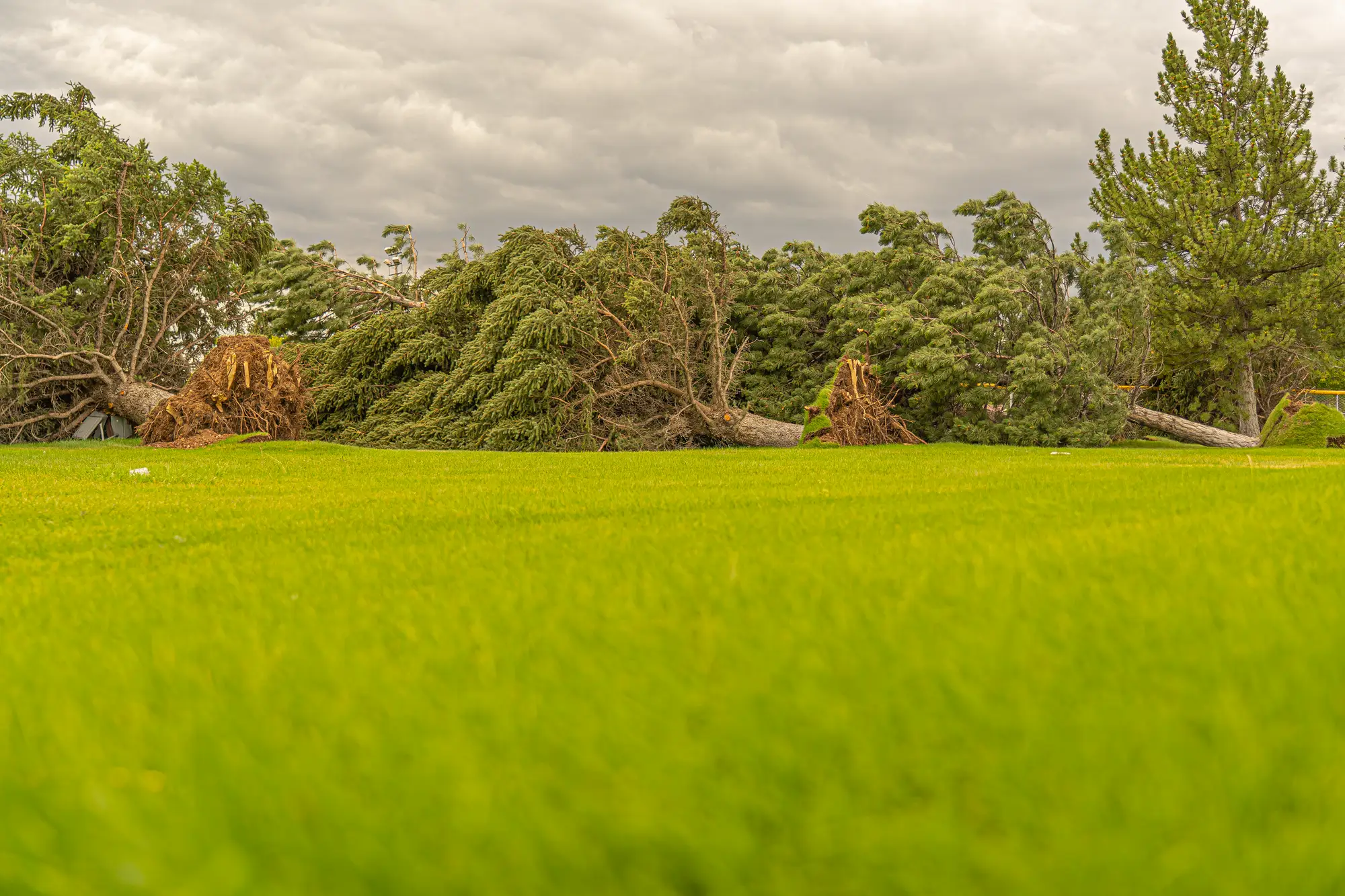
Every ice storm has a circuit like this one. Not the worst damage on the system, not even close. But it sits at the bottom of the restoration order for reasons that made sense at 2 a.m. on day one and stopped making sense by day six.
I was in the EOC for a storm a few winters back, glaze ice on everything from the coast up through the piedmont, and the kind of damage pattern that doesn't announce itself on a trouble map. Ticket volume told us what we already knew: the two biggest feeders were a mess, crews were staged, mutual aid was rolling in from three states over. What ticket volume didn't tell us was that a smaller circuit out past the reservoir, a line everybody assumed was fine because the phones there stayed mostly quiet, had three spans of hardware down under tree load that nobody had called in. Half that circuit serves a rural stretch where cell coverage is spotty and half the customers don't call in outages anyway. They just wait.
So it sat. Day one, day two, day four. Every morning the sequencing call ran off the same inputs: open tickets, crew availability, feeder priority from the storm plan. The circuit by the reservoir never cracked the top fifteen because the input that would have moved it, physical damage, wasn't in the system yet. Nobody had walked it. Nobody had a reason to walk it ahead of a dozen circuits that were screaming on the ticket board.
It got walked on day seven. Three broken poles, a cross-arm down across the road, a transformer that had been hanging by its secondary for the better part of a week. Two more days to get material staged and the crew rotated onto it. Nine days total, end to end, and at least three of those days were the circuit just waiting its turn behind feeders that, once walked, turned out to be lighter damage than the ticket volume suggested. Storm damage in a report doesn't always look like what a crew finds on the ground.
That's the part that stuck with me. We had a damage assessment process that worked fine for the circuits generating tickets, and no way at all to see the ones that weren't. The trouble board was a proxy for damage, and most of the time it's a decent one. Heavy tree canopy plus sparse reporting is exactly the condition where it stops being decent, and nobody adjusts the sequencing for that until the storm's already old.
I've talked to other coordinators since who've got their own version. A line crew finds a snapped pole on a circuit that had zero open tickets. A tap that's been dark for days because the three houses on it are a vacation rental and two seasonal camps. The pattern's always the same: damage without a corresponding signal, sitting quiet until a truck happens to drive past it.
What I wanted on day one of that storm wasn't more tickets. It was a way to see where the ice hit hardest across the whole territory, independent of who called in, so the sequencing call on day one could weight that circuit the way day seven eventually proved it deserved. That's the gap a pre- and post-event imagery comparison is built for: a same-day read on where damage is concentrated, laid over the territory you're already sequencing against, so the crew order reflects what's actually down instead of just what's been reported.
Nine days wasn't unreasonable for that storm's total scope. But three of those days belonged to a circuit that should have moved up the list on day one, and would have, if the sequencing call had anything to look at besides the phones.
If you're staring down the next event and don't want your sequencing call waiting on the same proxy, Storm Grid Damage is worth a look before the next line goes down.