Field notes: the feeder that restored itself before a bucket truck ever rolled
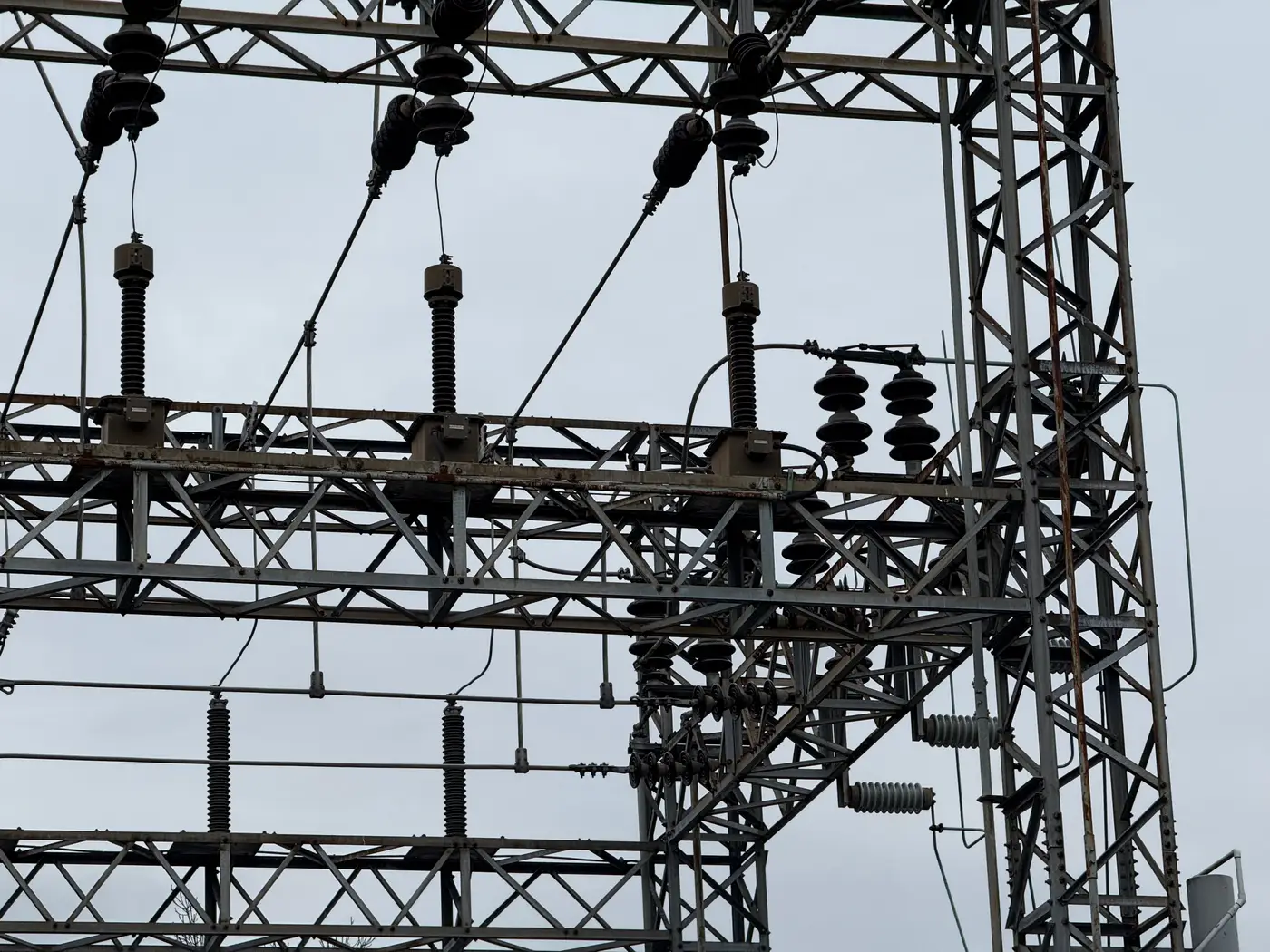
We got the call at 4:40 in the morning, maybe twenty minutes after the line had already fixed itself.
That's the part that still bugs me. A feeder out on the west side of the territory tripped during the second line of storms, lost a lateral to a tree limb, and by the time dispatch had it logged as a priority, the automated sectionalizing scheme had already isolated the fault and backfed the healthy section from the adjacent circuit. No truck had left the yard. No one had laid eyes on the pole. SCADA showed the feeder energized again before our first crew finished staging gear in the parking lot.
Old-timers on the mutual aid crew called it "the ghost restore." Younger engineers just shrugged and said that's what the scheme is supposed to do. Both reactions are right, and both miss the real problem: a self-healing event doesn't tell you anything about the pole that broke in the first place.
Here's what I mean. The recloser logic solved for load. It got power flowing to the customers downstream of the fault by routing around it, and it did that job well. But somewhere on that lateral there's still a cross-arm on the ground, or a transformer hanging by its secondary, or a span of wire draped over a fence line that a homeowner is going to walk past this afternoon. The circuit healed. The hazard didn't move.
So the next morning we had a feeder showing green on the outage map and a backlog of tickets nobody had closed. The automated restore had erased the signal we rely on to find damage: no sustained outage, no cluster of calls, nothing in the ticket volume to flag that lateral as worse off than the one next to it. If you were sequencing crews off trouble tickets alone that morning, that feeder would have dropped to the bottom of the list. It should have been near the top.
What actually got it flagged was the comparison imagery pulled that afternoon, pre-event against post-event, same corridor. It showed the canopy gap where the limb had come down and the shadow line where a span was sagging low enough to matter. None of that showed up as a customer complaint because the lights never really went out for most of them. It showed up as a visible change on the ground, which is a different kind of signal than a call volume spike, and in this case it was the only signal that existed.
I've started telling newer coordinators that a quiet feeder is not the same thing as an undamaged feeder. Automated restoration is designed to hide the outage from the customer, and it's very good at that job. It was never designed to tell you where the debris is. Treating ticket silence as a proxy for "nothing to see here" is how a snapped cross-arm sits exposed for two extra days because every circuit with an open ticket got walked first.
This is the gap behind Storm Grid Damage: a way to see where the damage sits without waiting for the grid to tell you through outage volume, since the grid sometimes fixes the symptom before anyone can read the cause. If your sequencing still runs on tickets plus gut feel the morning after a system that heals itself, it's worth seeing how a pre/post comparison map changes which circuit gets the first truck.