What is worst-first restoration sequencing?
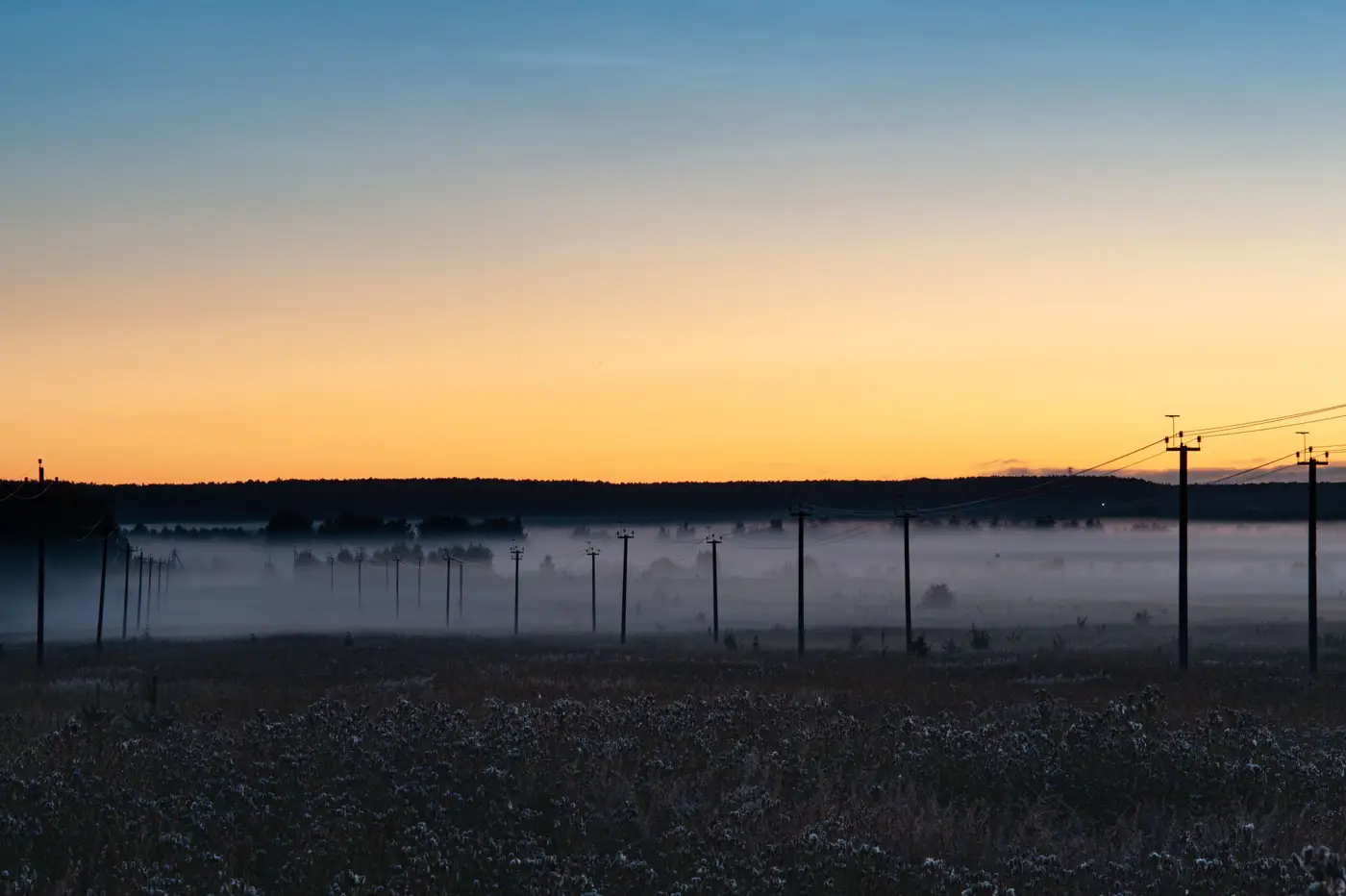
Worst-first restoration sequencing is the practice of sending crews to the circuits with the heaviest damage concentration and the most critical load before working down to smaller taps and individual service drops. It's the opposite of running dispatch purely off the order tickets came in. A first-come queue sends the first truck to whoever called first, not to the feeder that's dark for the most customers.
The logic sounds obvious once you say it out loud. Problem is, most coordinators don't have a clean way to see damage concentration until crews are already out on the circuit, snapping pole-top photos and radioing back what they're looking at. By then you've already committed trucks to one part of the territory while a worse-hit circuit two miles over sits untouched.
Largest-circuit-first vs. worst-first
These two terms get used almost interchangeably, but they're not quite the same thing. Largest-circuit-first is a sizing rule: hit the feeder with the most customers on it, because restoring it moves the needle on your outage count fastest. Worst-first is a damage rule: hit the circuit with the heaviest physical damage, regardless of customer count, because that's the one that's going to eat the most crew-hours if you leave it for last.
In practice you want both inputs. A mid-size circuit with three spans of downed conductor and a dozen broken poles might need to jump ahead of a larger circuit that only took a few blown fuses. Sequencing on customer count alone can send a crew to spend half a shift on a feeder that turns out to be a quick fix, while a smaller circuit with real structural damage sits waiting for a truck that never comes.
Critical infrastructure restoration priority
Hospitals, water treatment plants, 911 centers, and the circuits that feed them sit on top of most restoration plans no matter what the damage assessment shows. That part of the priority list doesn't change event to event. What does change is everything underneath it: the order you work the remaining circuits once the critical-load feeders are confirmed up or already being worked.
This is where restoration prioritization logic earns its keep. Mutual-aid crews rolling in from out of territory don't know your system the way your own linemen do. They need a sequence handed to them, not a map of every circuit with no ranking attached. Coordinators building that sequence are usually working off three inputs: the critical-load list, trouble-ticket volume as it comes in, and whatever visual read they can get on where the damage is worst.
Where ticket volume alone falls short
Trouble tickets tell you where customers noticed the lights go out. They don't tell you why. A circuit with a lot of calls might have one blown transformer near a dense subdivision. A circuit with fewer calls might have half a mile of snapped poles through a stretch with lower density, and that's the one that's going to take three days instead of three hours once a crew finally gets eyes on it.
That gap between "where the calls are" and "where the damage is" is exactly the window worst-first sequencing is trying to close. The faster you can see damage concentration across the whole territory, not just the circuits generating calls, the sooner you can put trucks on the right feeders in the right order instead of chasing ticket volume and re-routing crews mid-shift when the real picture shows up.
That's the gap a pre- and post-event imagery comparison is built to fill. Instead of waiting for every circuit to be physically walked, you get a damage-concentration read across the service territory as soon as imagery is available, which is what the restoration sequencing approach behind Storm Grid Damage is built to deliver.
If you're sequencing mutual-aid crews for the next event and want a same-day read on where the damage is worst, that's the problem Storm Grid Damage is built around.